high quality car bonnet for long lasting performance
Car Bonnet: Protect Your Vehicle With Premium Car Bonnet Solutions and Accessories
The car bonnet has a dual purpose, protecting the engine while enhancing the vehicle's aesthetic charm. Superior products and services can significantly impact its durability and aesthetic appeal. Regular upkeep and appropriate modifications are vital for preserving both functionality and value. Yet, many car owners fail to recognize the importance of this component. Understanding the intricacies of maintenance and protection can make all the difference in vehicle durability. What measures should one take to ensure optimal performance?
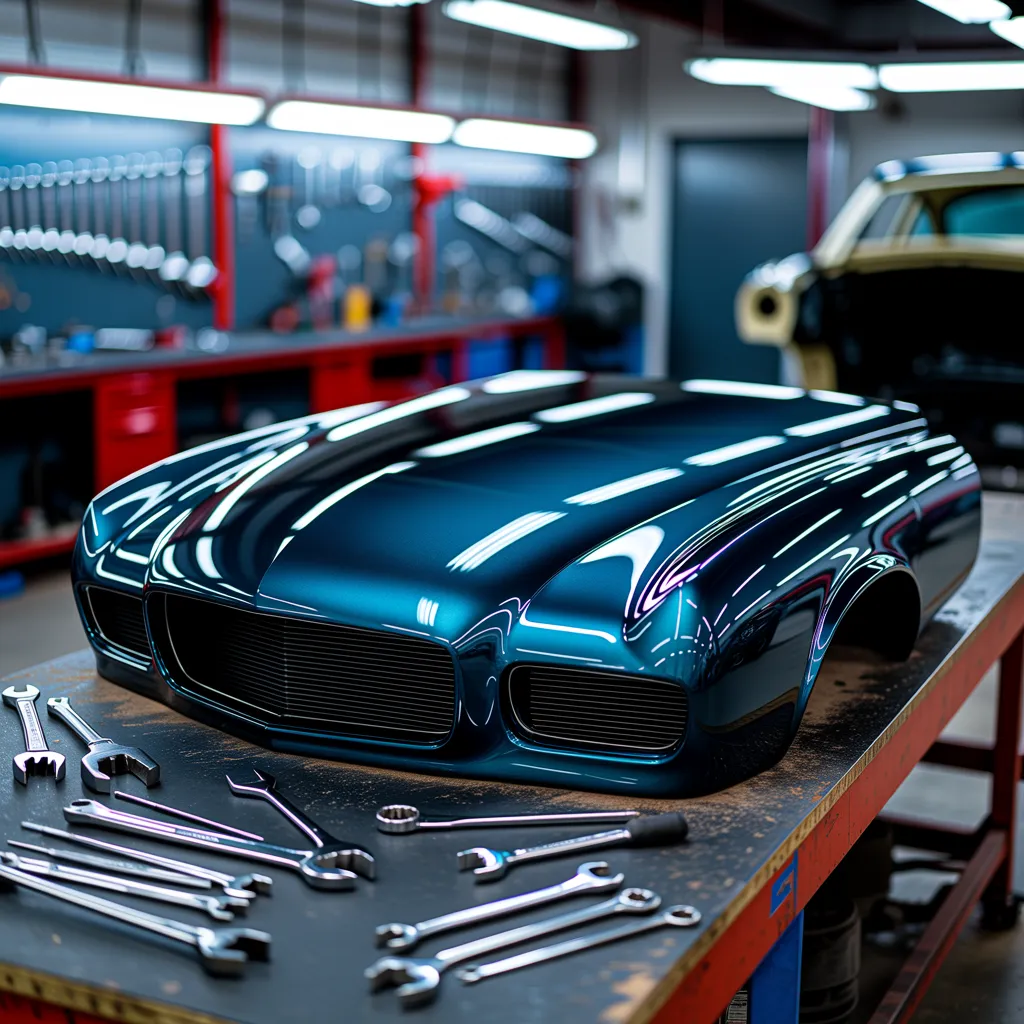
Why Your Car Bonnet Plays a Role for Defense and Style
Although numerous vehicle proprietors may disregard the importance of the bonnet, it fulfills a vital role in both protection and visual appeal. The bonnet functions as a protective barrier for vital engine components, defending them from particles, environmental conditions, and possible harm. A properly cared for bonnet can help avoid damage that could cause costly repairs down the line.
In addition to its protective role, the bonnet greatly influences a vehicle's overall appearance. It represents one of the most noticed features by onlookers, determining the car's aesthetic appeal. Varied designs, colors, and finishes can improve a car's style, making it stand out on the road.
Guaranteeing that the bonnet is in ideal condition not only safeguards its protective qualities but also upholds the vehicle's visual allure. Routine assessments and appropriate accessories can further enhance both functions, making the bonnet a critical aspect of car ownership.
When Is It Time to Repair or Upgrade Your Bonnet?
Knowing when to repair or replace a car bonnet can be challenging for many owners. A thorough assessment of the bonnet's shape is important. If there are light dents or scratches, repair might be adequate, especially if the damage do not damage the bonnet's structure. However, if rust or corrosion is detected, particularly in critical areas, replacement may be essential to sustain the durability and appearance.
Furthermore, a bonnet that has experienced considerable collision damage—such as from an crash—should be evaluated thoroughly. If the damage affects alignment or functionality, substitution is often the optimal choice. Vehicle proprietors should also take into account the age of the bonnet and the general state of the vehicle; a very old or significantly deteriorated bonnet may not be worth repairing. Ultimately, speaking with a professional can offer useful insight into the optimal plan forward, guaranteeing the vehicle remains secure and visually appealing.
Finding the Suitable Materials for Your Car Bonnet
When selecting materials for a car bonnet, considerations such as aluminum versus steel can markedly influence durability and cost. Composite materials offer unique benefits, including weight reduction, which can enhance overall vehicle performance. Understanding these factors is vital for making an educated choice that reconciles functionality and efficiency.
Aluminum Against Steel Hood
Picking the suitable material for a car bonnet is essential, as it influences both functionality and aesthetics. Aluminum and steel are two popular choices, each with unique advantages. Aluminum is lightweight, boosting fuel efficiency and agility; it also protects against corrosion, which can extend the bonnet's lifespan. However, aluminum can be more expensive and may not offer the same level of impact resistance as steel. On the other hand, steel provides superior durability and strength, making it less prone to dents and damage. It is typically more affordable but can be heavier, potentially impacting performance. Ultimately, the decision between aluminum and steel will depend on the specific needs and preferences of the vehicle owner, weighing cost, weight, and durability considerations.
Composite Material Benefits
Composite materials continue to gain popularity in the automotive industry for car bonnets because of their distinctive mix of lightweight features and exceptional strength. These materials, typically including carbon fiber or fiberglass, deliver heightened durability while resisting corrosion and environmental damage. They are designed to absorb impact, providing superior protection against dents and dings. Moreover, composites can be shaped into complex configurations, allowing for innovative designs that boost aerodynamics and aesthetics. This versatility also helps manufacturers develop bonnets that align with modern vehicle styling. Additionally, producing composite materials may be more environmentally friendly, aiding sustainability efforts within the automotive sector. Overall, composite materials provide a compelling choice for enhancing vehicle performance and longevity.
Load Factors and Results
Weight is a crucial factor in determining a vehicle's overall functionality and effectiveness. When selecting materials for a car bonnet, factors such as weight, strength, and durability must be considered. Lighter materials, like aluminum or composite options, can reduce the total mass of the car, enhancing acceleration, fuel efficiency, and handling. Conversely, heavier materials, while offering increased protection, may negatively impact performance. It is vital to strike a balance between weight and structural integrity; the right material choice can lead to improved aerodynamics and better fuel economy. Additionally, advancements in technology allow for innovative materials that provide both lightweight properties and robust performance, ensuring that the vehicle remains agile without compromising safety. Selecting the appropriate car bonnet material is essential for optimal vehicle functionality.
Why Would You Want Protective Shields for Your Bonnet?
Protective films supply considerable benefits for car bonnets, particularly enhanced scratch resistance. These films work as a protective layer against constant degradation, maintaining the car's condition. In addition, they supply important UV protection, preventing paint deterioration from prolonged sun contact.
Enhanced Scratch Resistance
A vehicle bonnet often faces rough conditions, making it susceptible to damage and degradation. To combat this vulnerability, many auto owners opt for protective coatings designed for bonnets. These coatings offer a hidden layer against wear caused by debris, tree branches, and even fender benders. The advanced compounds used in these coatings not only enhance resilience but also keep the vehicle's aesthetic in top condition. Unlike traditional paint protection approaches, these coatings are self-repairing, allowing light scratches to vanish over time. Additionally, the application of defensive films is a non-invasive procedure, ensuring that the original finish remains preserved and untouched. By investing in superior scratch protection, auto owners can protect their bonnets and keep the overall cost of their cars.
Ultraviolet Protection Benefits
While many car owners concentrate on protecting their bonnets from surface damage, the significance of UV protection should not be overlooked. Ultraviolet rays can cause substantial harm to a vehicle's exterior, leading to fading, discoloration, and degradation of the paint. Protective films custom created for bonnets serve as a shield against these damaging rays, protecting the vehicle's look and value. By stopping UV radiation, these films help keep the original color and gloss, guaranteeing that the bonnet remains fresh for years. Additionally, applying UV protective films can decrease the need for frequent repainting and detailing, leading to long-term cost savings. Ultimately, choosing UV protection is a smart choice for any careful vehicle owner.
Should you opt for expert installation solutions?
How crucial is professional installation when it comes to vehicle hood services and products? Professional installation can significantly improve the durability and performance of these services, guaranteeing that components are properly installed and secured. Expert professionals possess the expertise to detect possible problems that may arise during installation, which an untrained person might miss. This not only reduces the chance of harm to the vehicle but also guarantees that warranties remain valid.
Additionally, skilled installation frequently provides peace of mind, as service providers usually have insurance and extend assurances for their work. This can be especially helpful when dealing with complex accessories or protective films that demand exactness. While self-installation methods may seem budget-friendly at first, the possibility of errors can result in costly repairs later. Overall, investing in professional installation is often reasonable due to the assurance of quality and lasting performance it provides for car bonnet services and accessories.
Essential Accessories for Your Car Bonnet Defense and Style
The importance of expert fitting relates to the selection of accessories that enhance both protection and style for car bonnets. Varied options are available to suit different preferences and specifications. Bonnet protectors, often composed of durable materials, protect the paintwork from scratches, debris, and UV damage. These items not only sustain the vehicle's aesthetic but also preserve its resale value.
In addition, bespoke hood graphics and wraps can add a distinctive look, allowing owners to express their unique character. Sound-dampening sheets can be applied to minimize engine sound and safeguard the bonnet from thermal wear, enhancing both practical use and aesthetic appeal.
For individuals looking for a more athletic appearance, functional scoops or vents can be added, enhancing airflow and engine performance. In the end, choosing the right accessories can greatly elevate a car's look while guaranteeing its bonnet remains well-protected against the elements.
Advice for Caring for a Long-Lasting Car Bonnet
Adequate upkeep of a car bonnet preserves durability and protects the vehicle's look. Frequent cleaning is vital; using a gentle detergent and soft cloth helps removing dirt and grime that explore can cause corrosion. Waxing the bonnet every few months provides an extra layer of defense against UV rays and external pollutants.
Inspecting the bonnet for marks and damage is important. Rapidly addressing any deterioration with paint touch-ups averts rust accumulation. In addition, assessing the copyrights and positioning guarantees seamless functioning and forestalls future complications.
For people residing in severe weather conditions, applying a protective coating can further enhance durability. Storing your vehicle in shaded areas or placing a car cover when not in use can also limit exposure to environmental damage.
Frequently Asked Questions
How Do I Wash My Car Bonnet Properly?
To clean a car bonnet effectively, mix a gentle automotive soap with water, use a soft sponge to apply the solution, rinse thoroughly, and finish by wiping with a microfiber cloth for avoiding water marks and maintaining shine.
Is painting My Car Bonnet Something I Can Do on my own?
Yes, one can coat their car hood themselves, provided they have the correct tools and skills. Thorough prep work, including cleaning and priming, is essential for achieving a flawless, resilient finish that enhances the vehicle's aesthetic.
What Are Typical Damages to Inspect on a Bonnet?
Common damages to watch for on a bonnet include dents from hail or collisions, scratches from particles, corrosion due to environmental conditions, and color deterioration from sun exposure. Regular inspections can help identify these issues early.
Can You Find Environmentally Friendly Bonnet Protection Alternatives Currently?
Indeed, environment-friendly bonnet protection alternatives are obtainable, including biodegradable films and organic wax layers. These alternatives deliver effective defense while reducing ecological burden, appealing to green-minded vehicle owners desiring eco-friendly care options for their automobiles.
In What Fashion Does Weather Harm My Car Bonnet's Operational Span?
Weather substantially affects a car bonnet's lifespan. Prolonged exposure to sunlight can discolor paint, while rain and snow may result in corrosion. Extreme temperatures can result in materials to warp, ultimately decreasing durability and requiring more regular maintenance.